Efficient water management is essential for maintaining safe, healthy, and sustainable residential, commercial, and municipal infrastructure. Whether it is carrying wastewater away from homes or directing stormwater during heavy rainfall, a reliable drainage system helps prevent waterrelated damage and protects public health. Without proper drainage, excess water can lead to flooding, structural deterioration, and environmental issues.
Underground drainage pipes play a vital role in modern water management by transporting wastewater and stormwater safely below the surface. Designed for durability and efficient flow, these pipes help keep buildings, roads, and public spaces free from water accumulation while supporting long-term infrastructure performance.
What Are Underground Drainage Pipes?
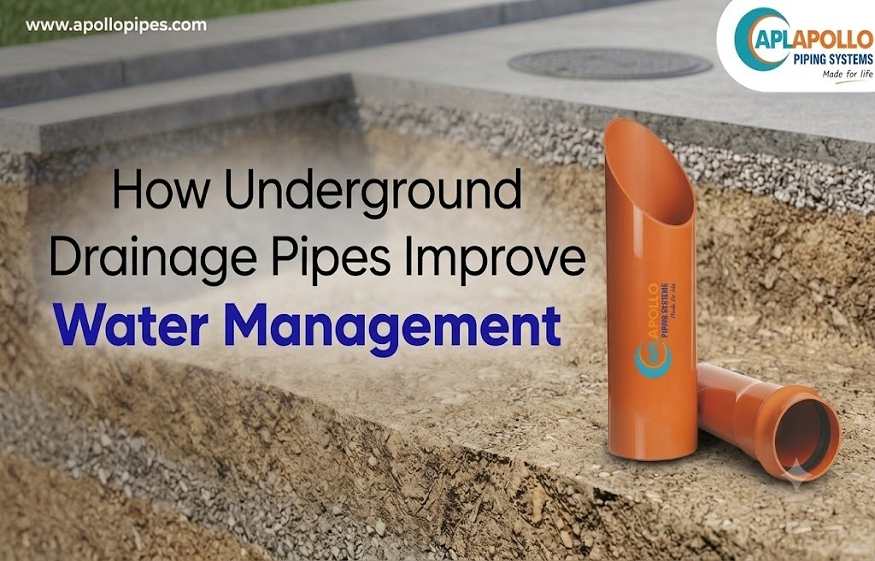
Underground drainage pipes are specially designed piping systems installed beneath the ground to transport wastewater, sewage, and stormwater from one location to another. They form an essential part of residential, commercial, industrial, and municipal drainage networks.
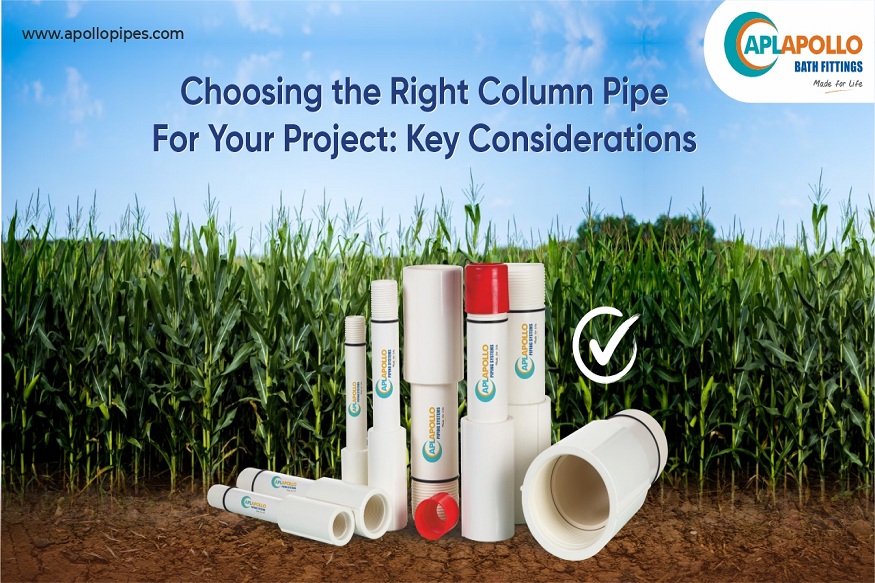
Read More: Choosing the Right Column Pipe for Your Project: Key Considerations
Their primary purpose is to ensure the safe and efficient movement of water away from buildings and populated areas. By directing wastewater to treatment facilities and stormwater to appropriate discharge points, underground drainage systems reduce the risk of contamination, flooding, and infrastructure damage.
Why Effective Water Management Matters
Effective water management is crucial for protecting both people and property. When drainage systems fail or are poorly designed, excess water can create serious challenges that affect safety, infrastructure, and the environment.
Some common problems caused by poor drainage include:
- Waterlogging: Standing water damages landscapes, roads, and construction sites.
- Soil erosion: Excess water washes away soil, weakening the ground and affecting vegetation.
- Structural damage: Water seepage can weaken building foundations, walls, and pavements over time.
- Flooding: Inefficient drainage increases the risk of localized flooding during heavy rainfall.
- Public health concerns: Stagnant water promotes the growth of bacteria, insects, and disease-carrying pests.
Investing in high-quality underground drainage pipes helps address these issues while improving the reliability of water management systems.
How Underground Drainage Pipes Improve Water Management
1. Efficient Wastewater Transportation
Underground drainage pipes provide a dedicated pathway for wastewater and stormwater, allowing it to move quickly and efficiently to treatment or disposal systems. This prevents wastewater from accumulating around buildings and public spaces.
2. Prevention of Flooding and Water Accumulation
Properly designed drainage systems rapidly remove excess rainwater, reducing the chances of flooding during storms. Efficient drainage minimizes water pooling on roads, parking areas, and residential properties.
3. Protection of Building Foundations
Excess moisture around foundations can weaken structures over time. Underground drainage pipes help redirect water away from buildings, protecting foundations from cracks, settlement, and long-term deterioration.
4. Reduced Soil Erosion
By controlling water flow, underground drainage systems prevent uncontrolled runoff that can erode soil. This is particularly important for landscaped areas, agricultural land, and infrastructure projects.
5. Improved Sanitation and Hygiene
Efficient wastewater removal reduces the risk of contamination and prevents stagnant water from becoming a breeding ground for insects and harmful microorganisms. As a result, communities benefit from cleaner and healthier surroundings.
6. Long-Term Durability
Modern underground drainage pipes are manufactured using durable materials that withstand underground conditions for many years. Their strength ensures reliable performance even under continuous use.
Read More: The Importance of Curb and Gutter Repair in Anaheim
7. Low Maintenance Requirements
High-quality drainage pipes are designed with smooth internal surfaces that reduce blockages and improve flow efficiency. This lowers maintenance costs and minimizes the need for frequent cleaning.
8. Better Environmental Sustainability
Efficient drainage systems help manage water responsibly by reducing uncontrolled runoff and directing wastewater safely for treatment. This supports sustainable urban development while protecting surrounding ecosystems.
Key Features to Look for in Underground Drainage Pipes
Choosing the right underground drainage pipes is essential for long-lasting performance. Important features to consider include:
- High Structural Strength for Underground Installations
- Corrosion Resistance for Long-Term Reliability
- Chemical Resistance Against Wastewater and Industrial Effluents
- Leak-Proof Joints to Prevent Seepage
- Smooth Inner Surface for Improved Water Flow
- Easy Installation that Saves Time and Labor
- Long Service Life with Minimal Maintenance Requirements
Selecting pipes with these characteristics helps ensure efficient drainage and dependable infrastructure performance.
Applications of Underground Drainage Pipes
Underground drainage pipes are widely used across various sectors because of their versatility and efficiency.
Common applications include:
- Residential buildings for household wastewater drainage
- Commercial complexes and office buildings
- Industrial facilities handling wastewater disposal
- Municipal drainage and sewerage systems
- Roads, highways, and urban infrastructure projects
- Agricultural drainage systems for improved field management
Their adaptability makes them an essential component of both small-scale and large-scale construction projects.
Why Choose APL Apollo Underground Drainage Pipes
APL Apollo Underground Drainage Pipes are manufactured using non-pressure PVC-U (unplasticized polyvinyl chloride),offering a rigid construction with good surface sturdiness, high tensile resistance, a high compressive rating, and an enhanced pipe safety factor.Designed for underground drainage and sewerage applications, they are also suitable for conveying surface water, potable water, and for internal and external discharge piping in industrial and high-rise civil buildings.The pipes provide excellent chemical resistance to acids, alkalis, and salts, making them well suited for sewerage and effluent disposal.Theirlow coefficient of friction promotes efficient flow while reducing maintenance requirements, and solvent cement jointing enables leak-resistant, easytohandle, and simple installation.
APL Apollo also highlights good ageing resistance with a normal service life of up to 50 years, low thermal expansion, and a selfextinguishing PVC-U material with a Grade B2 combustion classification.The underground drainage system is available in sizes ranging from 63 mm to 400 mm for a wide range of residential, commercial, industrial, and municipal drainage applications.